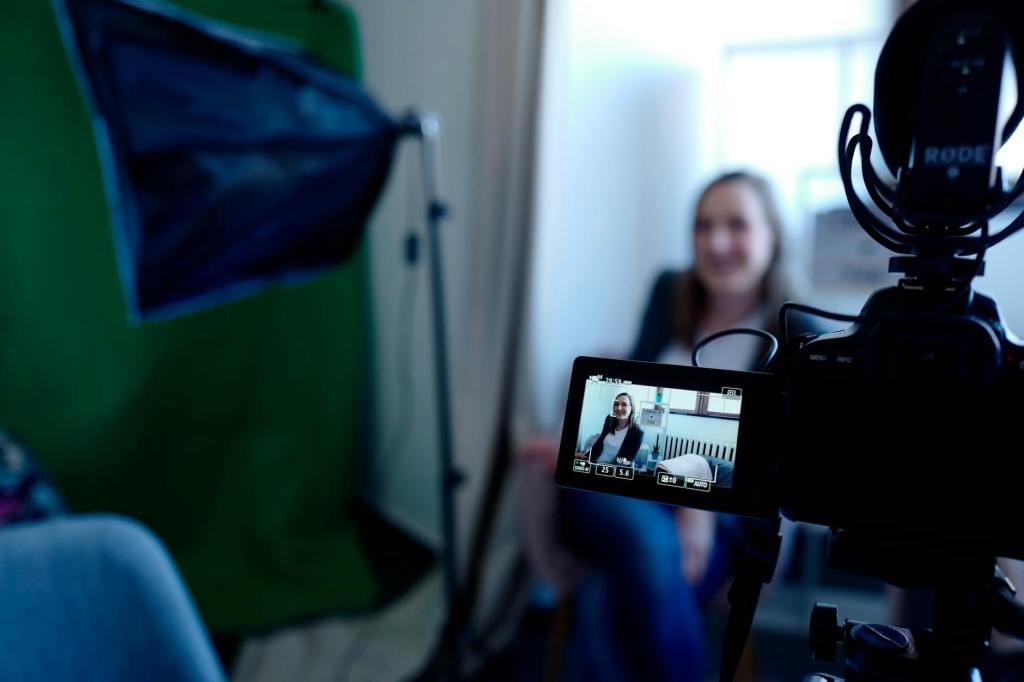
Podcasting has exploded in popularity over the past few years, and with the rise of video content, more podcasters are turning to video podcasting as a way to enhance their reach and connect with audiences on a deeper level. If you’re considering making the switch or starting a video podcast from scratch, you might be wondering what’s involved.
Is it worth it?
And how do you get started?
Let’s explore everything you need to know about video podcasting and how to make it work for you.
Why Video Podcasting?
Increased Engagement
Video allows your audience to connect with you on a more personal level. They can see your facial expressions, body language, and the environment you’re recording in, which makes your content feel more intimate and authentic. Video podcasts can also encourage more interaction, such as comments and shares on social media.
Broader Reach
YouTube is the second largest search engine, and it’s an excellent platform to host your video podcasts. By creating video content, you can tap into YouTube’s massive audience and attract listeners who may not be familiar with traditional podcasts. Plus, video content is highly shareable, giving your podcast the potential to go viral.
Content Repurposing
A video podcast is versatile. You can repurpose clips for social media, creating audiograms, snippets, or teasers for Instagram, TikTok, or Twitter. This gives you a lot of content to work with from a single episode, helping you expand your reach even further.
Monetization Opportunities
Video podcasts open the door for additional monetization strategies. You can earn revenue through ad placements, sponsorships, or even offering premium video content to your subscribers. Plus, video podcasts allow for visual product placements and integrations, which can be valuable for brands looking to advertise.
The Basics of Starting a Video Podcast
Decide on Your Format
Will your video podcast be a solo show, or will you invite guests? Will you record interviews in person or remotely? It’s important to establish a format before you begin so that you can plan your recordings, editing process, and equipment accordingly.
Get the Right Equipment
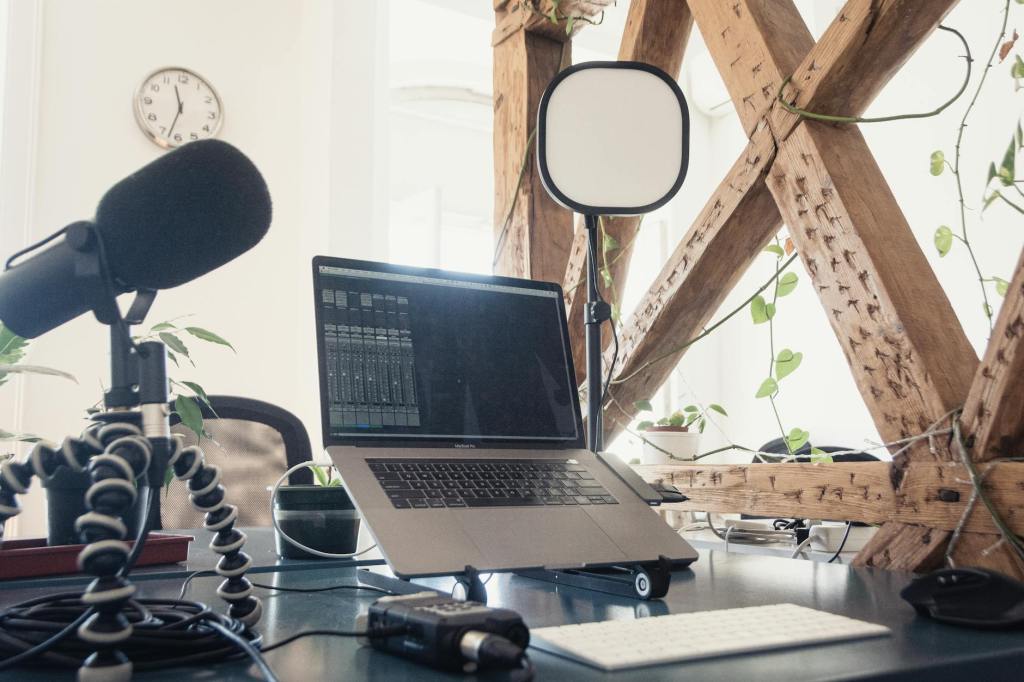
Video podcasting requires more than just an audio setup. To ensure high-quality production, invest in the following equipment:
A good camera: While phone cameras are improving, a DSLR or mirrorless camera will give you better quality.
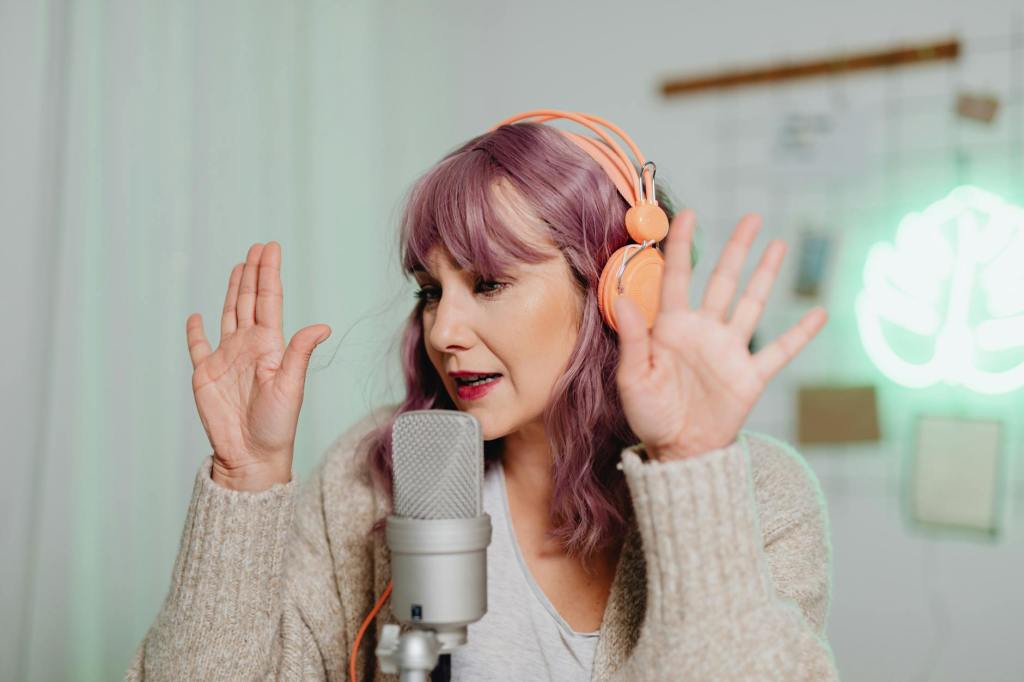
Microphone: Even though it’s a video podcast, high-quality audio is crucial. A good microphone will ensure your voice is clear and crisp.
Lighting: Proper lighting is essential for good video quality. Consider softbox lights or ring lights to make sure you look your best on camera.
Tripod or stand: Keep your camera steady and at eye level to create a more professional-looking video.
Video editing software: Programs like Adobe Premiere Pro, Descript or Final Cut Pro will allow you to edit your footage and add any necessary graphics or effects.
Set Up Your Recording Environment
Your backdrop is important in video podcasting. Choose a clean, visually appealing space that complements the content and your personal brand. Whether it’s a minimalist setup with a simple background or a more decorated space that reflects your personality, make sure it looks polished.
Pay attention to lighting as well. Natural light is great, but softbox lights or ring lights can help you achieve consistent lighting for a professional look.
Editing Your Video
Editing is just as important in video podcasting as it is in audio. Trim unnecessary parts, clean up any mistakes, and add intros, outros, and transitions to make your video engaging. Make sure to sync the audio and video properly, especially if you’re using multiple cameras or external microphones.
Choose a Platform
YouTube is the most popular platform for video podcasts, but you can also consider using Vimeo, Facebook, or other platforms. For monetization, YouTube is ideal due to its ad revenue and discoverability features. Make sure to optimize your video’s title, description, and tags for searchability.
Tips for Success in Video Podcasting
Stay Consistent
As with any podcast, consistency is key. Set a regular release schedule and stick to it so that your audience knows when to expect new content.
Engage Your Viewers
Just as you would engage listeners with your audio podcast, encourage interaction with your video podcast. Ask your audience to comment, subscribe, and share your videos. Respond to comments to build a loyal community.
Branding and Visuals
Strong visuals can make your video podcast stand out. Invest time in creating visually appealing intros, transitions, and outros. Use consistent colors, fonts, and logos to reinforce your brand.
Offer Bonus Content
If you’re on YouTube, consider offering exclusive video content or behind-the-scenes footage for your most loyal subscribers. This can help build a strong community and incentivize listeners to stay engaged with your podcast.
Video podcasting is an exciting way to engage with your audience in a new, dynamic format. By adding video to your content strategy, you can tap into a larger audience, increase engagement, and create new monetization opportunities. While it requires a bit more work than audio podcasting, the rewards can be significant.
If you’re ready to elevate your podcasting game in 2025, video podcasting could be the perfect next step.


 Tulip Podcast Manager 🎙️ Bojana Lalic
Leave a reply to 3 Budget-Friendly Tips to Enhance Your Video Podcasting – Tulip Podcast Manager 🎙️ Bojana Lalic Cancel reply