The new year is here, and with it comes the opportunity to set new goals and launch fresh ventures. If you’ve been thinking about starting a podcast, you’re not alone—many people are considering the podcasting route as part of their 2026 strategy.
But should you really start a podcast?
It’s a great question, and the answer depends on several factors, from your goals to your commitment level.
Here’s what you need to know to decide if launching a podcast in 2026 is the right move for you.
Why Consider Starting a Podcast?
Podcasts Are Still Growing
Podcasting has become one of the most popular forms of content, with millions of people tuning in daily. The growth of podcast listeners has only accelerated, and 2026 is shaping up to be another year of exciting potential for creators. If you’re looking to tap into a growing market, podcasting offers a platform to connect with a vast audience.
Great for Brand Building
Whether you’re an entrepreneur, thought leader, or business owner, a podcast is a fantastic way to build your personal or business brand. It allows you to share your expertise, tell your story, and connect with listeners in a personal way that builds trust and loyalty over time.
Flexible Content Format
Podcasts are incredibly versatile. You can interview guests, tell stories, offer tutorials, or dive deep into niche topics. It’s a format that lets you explore different styles and approaches, and there’s room to evolve as you learn more about your audience and your strengths as a podcaster.
Potential for Monetization
Many podcasters eventually turn their shows into profitable ventures, either through sponsorships, listener donations, affiliate marketing, or selling products. With the right approach and growing audience, podcasting can be a lucrative business.
Things to Consider Before Starting Your Podcast
Time Commitment
Podcasting may seem easy, but it requires significant time and effort. From researching topics and recording episodes to editing and promoting your content, the workload can add up. Make sure you’re prepared to dedicate time consistently, especially if you plan to release episodes weekly or bi-weekly.
Consistency Is Key
Consistency is one of the most important factors in podcasting success. If you start strong and then drop off, your audience will lose interest. Plan for a sustainable schedule that works for you, whether it’s weekly or monthly. Set clear goals and maintain a routine to build and retain your audience.
Are You Ready for the Technical Side?
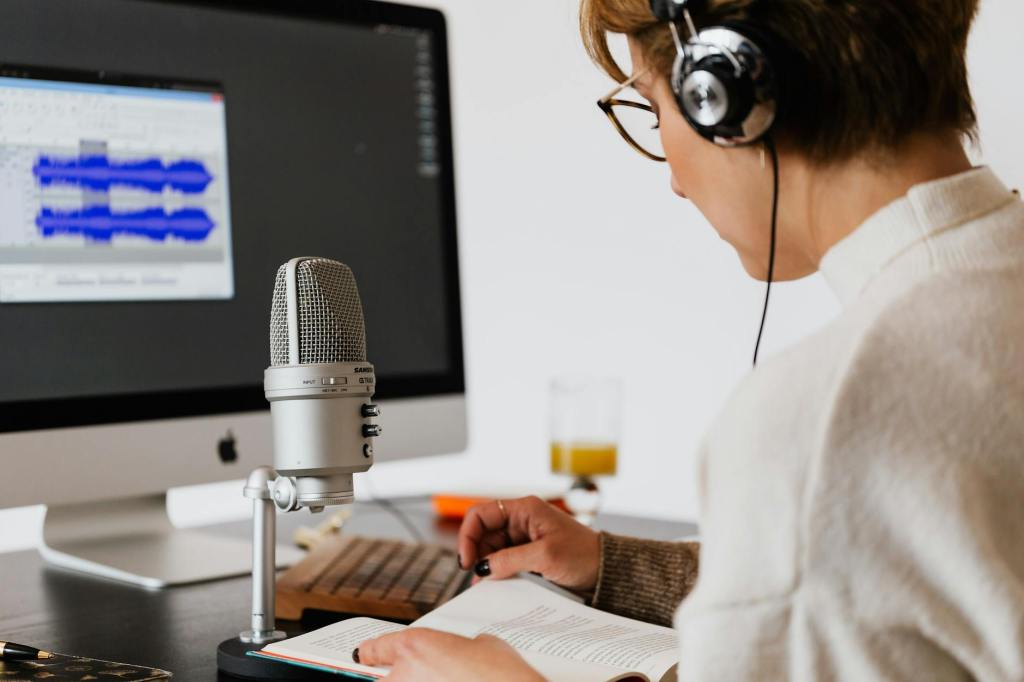
While starting a podcast doesn’t require expensive equipment, you will need to get comfortable with some basics, such as recording audio, editing, and uploading episodes. You’ll also need to manage hosting platforms and keep track of podcast analytics. Luckily, there are many tools and services that can help simplify this process, but it’s worth understanding what’s involved before jumping in.
Is Your Topic Niche or Broad?
Consider your podcast’s focus. Do you have a unique angle or perspective on a topic that isn’t already saturated? A niche podcast can help you stand out and attract a dedicated audience. Alternatively, if you’re covering broader topics, you’ll need to work harder to differentiate your content from the thousands of podcasts already out there.
Will You Enjoy It?
Podcasting requires passion and dedication, so it’s important to ask yourself if you truly enjoy the process of creating audio content. If you’re excited about your topic and love engaging with others, podcasting can be a fulfilling creative outlet. But if it feels like a chore, it might not be the right fit.
How to Get Started in 2026
Define Your Podcast’s Purpose and Audience
Before you start recording, take time to define what your podcast is all about.
Who is your target audience?
What value will you bring to them?
What’s the core message of your show?
Clear answers to these questions will set you up for success.
Invest in Quality Equipment
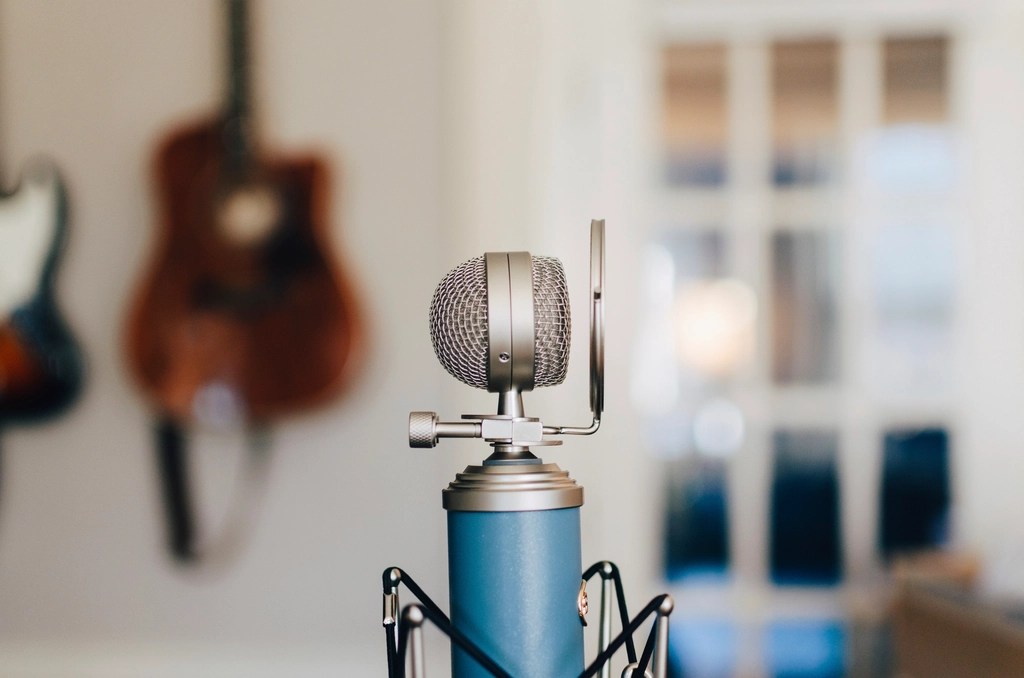
While you don’t need the most expensive gear, having a good microphone, headphones, and editing software will improve the quality of your podcast. Audio quality is a key factor in retaining listeners, so investing in basic gear is a smart move.
Develop a Content Plan
Planning your episodes in advance can save you time and effort. Develop a content calendar that includes episode topics, guest appearances, and key themes for the upcoming months. Having a roadmap helps you stay organized and consistent.
Launch with Multiple Episodes
Don’t launch with just one episode. Start with at least 3-5 episodes so new listeners can immediately dive into your content. This will increase the chances of them subscribing and coming back for more.
Promote Your Show
Once your podcast is live, share it! Use your social media accounts, website, and email list to promote each episode. Collaborate with other podcasters, run ads, or engage with your community to increase visibility.
Starting a podcast in 2026 can be an exciting and rewarding journey, but it’s important to ensure it aligns with your goals and capabilities. By carefully considering your commitment, niche, and target audience, you can set yourself up for success. If you’re ready to embark on this creative adventure, start planning your podcasting strategy and prepare to make 2026 the year your podcast takes off!


 Tulip Podcast Manager 🎙️ Bojana Lalic
Leave a comment