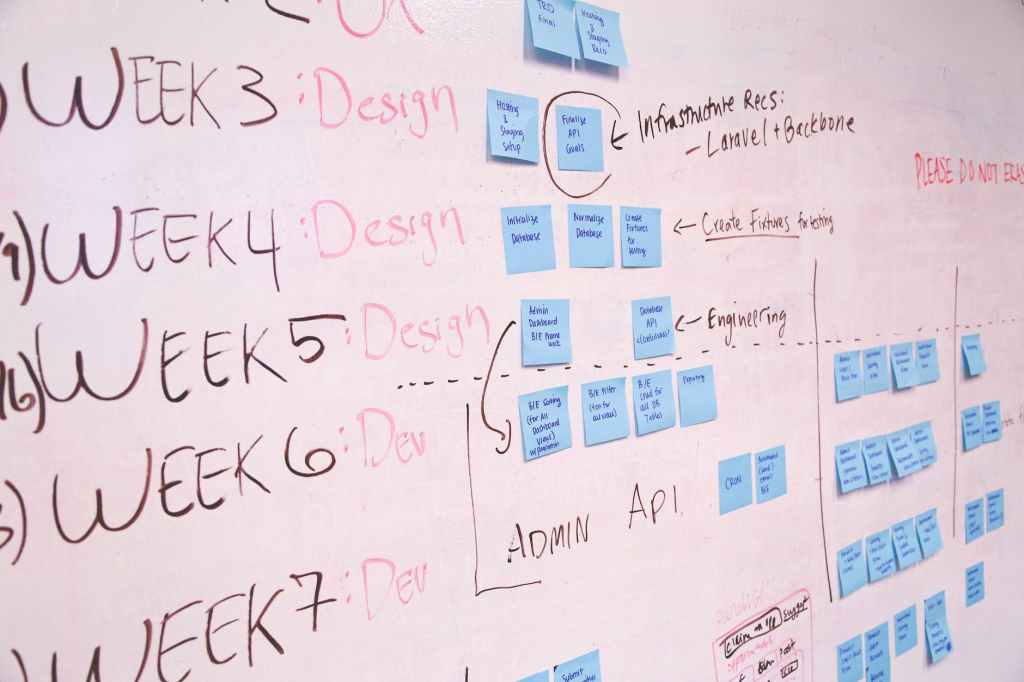
Managing a podcast can be a complex and multifaceted endeavor, involving various steps from planning and recording to editing and promoting each episode. To streamline this process and ensure nothing falls through the cracks, using a project management tool like Asana can be incredibly beneficial. Here’s an extended look at how Asana can enhance your podcasting process.
Asana is a versatile project management tool that can help podcasters organize their workflow, track progress, and collaborate with team members. Its intuitive interface and robust features make it an ideal choice for managing the intricate details of podcast production.
Structuring Your Podcast Workflow
With Asana, you can create a structured workflow for your podcast process. Each step of your podcasting journey, from initial concept to episode release, can be laid out as individual tasks or stages in Asana. This structured approach helps in maintaining a consistent routine, especially crucial for podcasts releasing episodes on a regular schedule.
Task Management for Each Episode
Every episode of your podcast can be broken down into a series of tasks. These might include writing the script, scheduling guest interviews, recording, editing, creating promotional material, and distributing the episode. Asana allows you to create and assign these tasks, ensuring that each crucial step is accounted for and completed on time.
Collaborating with Team Members
If you work with a team, Asana makes collaboration seamless. You can assign tasks to different team members, share files, and communicate within the platform. This ensures everyone is on the same page and deadlines are met. It’s also valuable for coordinating with external collaborators, such as guests or freelance editors.
Tracking Progress and Meeting Deadlines
One of the key advantages of Asana is its ability to help you track the progress of your tasks. You can set deadlines for each task and subtask, and monitor their completion in real-time. This feature is particularly useful for ensuring that your podcast stays on schedule.
Integrating with Other Tools
Asana integrates with various other tools and platforms, which can be especially beneficial for podcasters. Whether it’s file sharing through Dropbox, communication via Slack, or syncing with Google Calendar, these integrations can streamline your workflow even further.
Preparing for Growth and Scalability
As your podcast grows, Asana grows with you. Initially, it might just be tracking the basics, but as you expand – possibly bringing on a podcast manager or more team members – Asana’s robust features can accommodate this growth, making it easier to onboard new team members and scale up your operations.
Documentation and Knowledge Transfer
Documenting each aspect of your podcasting process in Asana is invaluable, especially if you plan to outsource or delegate tasks in the future. This documentation serves as a knowledge base for your team or any new members joining your podcasting journey.
In conclusion, Asana offers a comprehensive solution to manage the complexities of podcasting. Its ability to streamline workflows, facilitate collaboration, and track progress makes it an indispensable tool for both novice and seasoned podcasters. By leveraging Asana, you can focus more on creating quality content and less on managing the myriad tasks associated with podcast production.




 Tulip Podcast Manager 🎙️ Bojana Lalic
Leave a comment